












What the Heck is Colostrum?


Colostrum supplements are the latest hot dietary trend, with numerous brands and formulations flooding the marketplace in capsules, powders, and even coffee creamers. Pressed Juicery has a Cowboy Colostrum Bowl on the menu made in partnership with Cowboy Colostrum.

Colostrum is the concentrated, nutrient-dense “first milk” that is produced by the mammary glands after giving birth — essential for newborns, humans and animals alike. It is rich in vitamins, minerals, antibodies and antioxidants that help build a newborn’s immune system.

Bovine colostrum is now thought to have those same immune boosting health benefits for adults, and more: it can enhance performance and recovery; stimulate collagen production for better skin, stronger bones, and healthier hair; boost energy levels and improve mental clarity, among others.

According to Dr. Daryl Gioffre, Certified Nutritionist, Gut Health Specialist, and author of Get Off Your Sugar, what’s really fueling this trend is all of the benefits tied to gut health. Colostrum is “packed with natural immunoglobulins and growth factors that help seal the gut lining and calm inflammation, exactly where 70% of your immune system lives, while feeding your good bacteria. All of this equals less bloating, better digestion, and more energy. It’s becoming a secret weapon for people who’ve ‘tried everything’.” Read More


Seed Oils: The Hot Topic


Last summer I hosted a dinner for my book, Surfer Stories. Asking my guests, world famous surfer Garrett McNamara and family among them, if they had any dietary restrictions, he said, “No seed oils, please”. This was the first time I’d heard that, but have increasingly since then, and noticed a trend with snack foods promoting their use of beef tallow instead of seed oils.

For many years, seed oils like safflower, corn, and canola were considered the healthy oil of choice, positioned as a better alternative to animal fats like butter, lard, beef tallow, and other saturated fats. In the 1950’s, the American Heart Association had recommended polyunsaturated fats from seed oils as part of a heart-healthy diet. But recently seed oils have come under fire — and now thought to be a far worse alternative.

In ancient societies, animal fats were the primary sources of fat in human diets. Their essential nutrients like fat-soluble vitamins A, D, and E, and omega-3 fatty acids, were crucial for various bodily functions, including brain development, immune function, and hormone regulation. Read More


Is “Microdosing” GLP-1 Right for You?


SERENA WILLIAMS IS RO’s GLP-1 AMBASSADOR

 
GLP-1 drugs like Ozempic, Mounjaro, and Wegovy have completely transformed the weight loss industry since their introduction and are seemingly part of the news cycle every day. The latest is the launch of Wegovy in a pill form, with others slated to follow. These drugs have reshaped not just the landscape of obesity treatment, but metabolic health beyond the scale.

Almost all of us have friends and family whose dramatic weight loss has been hard to miss as a result of GLP-1s. Then there have been the powerhouse celebrities like Oprah Winfrey, and athletes like Serena Williams, inspiring an even wider population to take these drugs, now readily available on numerous telehealth platforms like AgelessRx, Noom, and RO, for which Serena Williams is the spokesperson. Recent polls indicate 1 in 10 adults in the US have used a GLP-1 drug for weight loss or diabetes.

GLP-1 drugs were initially designed to help manage blood sugar in type 2 diabetes, but along with that came the side effect of dramatic weight loss. That led to the development of these medications specifically for weight management. Although there are many brand names for GLP-1s, there are essentially only two drugs, semaglutide and tirzepatide. Both mimic the hormone GLP-1, or glucagon like peptide 1 (tirzepatide mimics both GLP-1 and GIP, or gastric inhibitory polypeptide hormone) which controls the release of insulin from the pancreas and regulates blood sugar levels. They also slow gastric emptying so you stay full longer, reducing appetite and increasing satiety. Read More


The Protein Boosted Buzz


Starbucks just announced a new line of protein-boosted lattes — part of the booming trend of countless foods, drinks, and snacks like popcorn, pizza, donuts, and even ice cream – now offering added protein in their products. But how much protein do we really need, and what should those protein sources be? Protein is the latest trend in nutrition, but is there any nutritional value in these products? Many are not that healthy to begin with, and adding protein makes them more alluring with the illusion that they are.

Protein is a vital macronutrient essential for building and preserving muscle mass. It provides the fundamental building blocks the body uses to grow new cells, repair damaged tissues, and maintain the health of all our muscle, skin, and bones. Protein supports immune function and provides the essential enzymes to catalyze metabolism and hormone production. But your optimal protein intake depends on your weight, age, and level of physical activity. Do you want to lose weight or build muscle mass?

You can calculate how much protein you need HERE, but for myself at 125 lbs. and active, the recommended amount is about 68g./day. Say I don’t eat that in a meal, I might want to grab a protein snack on the go. “But not all protein-boosted products are created equal”, says Jamie Lee McIntyre, Nutrition Communications Consultant at Jamie Lee RDN. “Some trendy drinks or snacks use added protein as an appealing front of pack label, but may also be loaded with added sugars, saturated fat, or other unnecessary additives.” Read More


Fueling Champions: The Energy Equation


“We need energy for everything — heart, lungs, kidneys, reproductive health, digestion, immune function, bone health, and mental health. If you don’t eat enough, the energy you do have goes to your sport first, and there may not be enough left to support those other systems. That’s where health problems start to appear.” -Heidi Skolnik

 
Heidi Skolnik, MS, CDN, FACSM, recently joined the sports nutrition team of the New York Liberty — the WNBA champions of the 2024 season. It’s a well-earned appointment for one of the most respected leaders in the field of performance nutrition.

Skolnik’s resume spans some of the biggest teams in professional sports — the New York Knicks, New York Giants, and New York Mets among them — as well as the NHL, MLS, and WNBA. Through her company, Nutrition Conditioning, she also oversees the Performance Nutrition Program at The Juilliard School and the School of American Ballet, and has consulted for numerous Broadway productions.

For this editor, though, her latest position is especially exciting as the 2025 WNBA playoff season kicks off, given the overwhelming popularity of women’s basketball and the Liberty’s last history-making season. I’ve known Heidi for more than 30 years, and sat down with her to talk about her new role, the culture of the Liberty, and why fueling the body is about so much more than performance. Read More


Super Snack Swaps: Chips & Dips


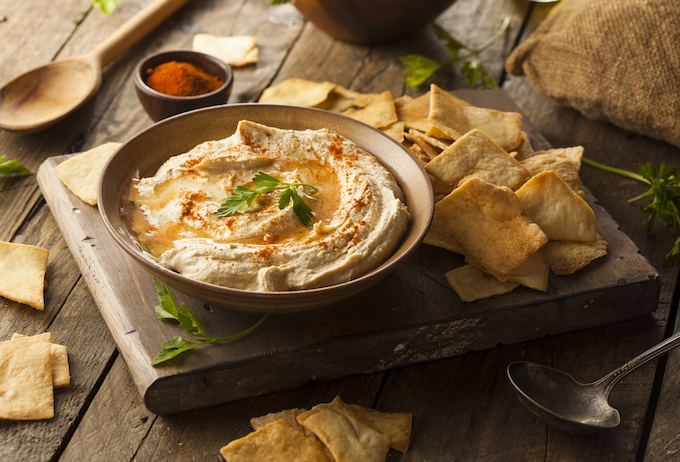
It’s NFL playoff season and plenty of football to watch in the countdown to the Superbowl. Game time is snack time. No need to sabotage your diet with all the healthy chips and dips available at most grocery and convenience stores.

Robin Barrie Kaiden MS, RD, CDN, CSSD, one of the nation’s leading experts in personal wellness and nutrition, recommends crunchy snacks like organic popcorn, chips, and nuts cooked in olive or avocado oil. Avoid refined vegetable oils like corn oil, sunflower oil, and safflower oil.

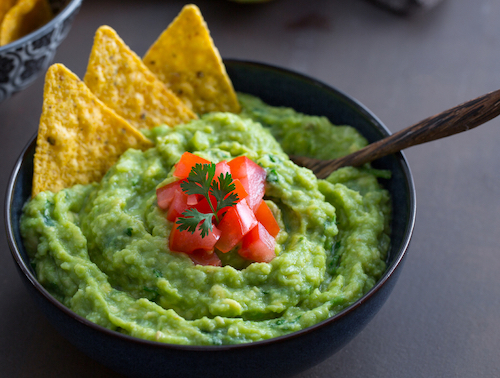
Says Kaiden, “I love Kettle Brand Chips made with avocado oil. For tortilla-style chips, my favorite are Siete. They are grain free made only with cassava flour, avocado oil, coconut flour, chia seeds and salt.” Read More


Why Everyone Is Cheering for Non-Alcoholic Beer


The popularity of non- alcoholic beer has surged with the fantastic variety now on the market. Almost every major brewery makes one. Athletic Brewing offers a beer for every taste profile and more than a dozen flavors. Refreshing and delicious, these brews are perfect on game day, and as replenishing recovery fuel too.

Traditionally non-alcoholic beers have paled in flavor, compared to their alcoholic counterparts. Stripping the alcohol removes that beer flavor, and adding malt is what brings it back — along with all sorts of additional health benefits. Says Peeyush Maheshwari, PhD, the Founder and Principal of Food 4 Thought, “Minus the alcohol, beer is actually a nutritious beverage, and this is where malt extract makes its mark.”

The high antioxidant content in malt extract, in addition to the substantial amounts of polyphenols — plant compounds with anti-inflammatory properties — make non-alcoholic beer an ideal beverage for athletic recovery. Notably, it has become the beverage of choice for many Olympic athletes in Germany, after a 2012 study revealed that runners who drank non-alcoholic beer before and after the Munich Marathon reported less inflammation post-race than runners who drank a placebo. Read More
 

Sunshine and Eggs


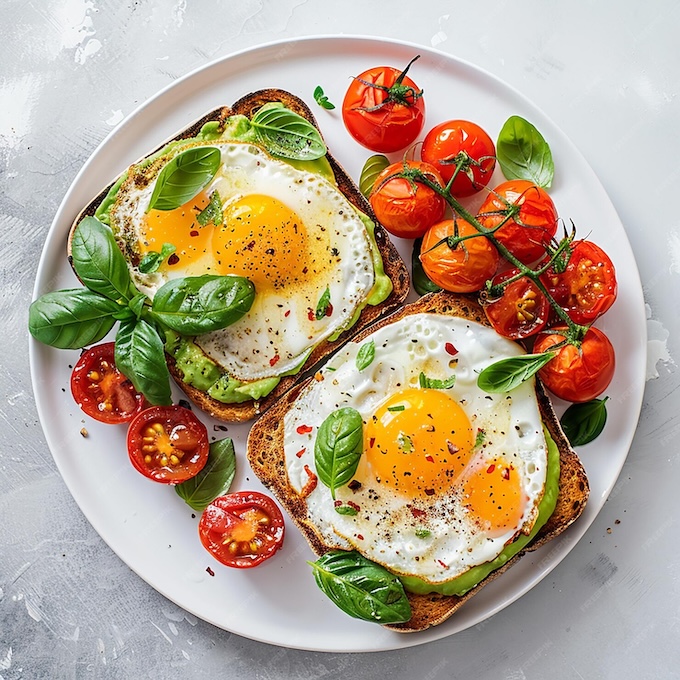
As winter starts to thaw, we put away the puffers, and peel off the layers, many of us have a spring awakening by what’s left underneath. The body is not as toned as we’d like, and there is a spring realization that it’s time for a spring cleaning. The search begins for a quick fix: a restrictive diet, cutting out a food group, intermittent fasting, a juice cleanse – something radical to lose that winter weight fast. But what if the answer was a back-to-basics approach of 3 balanced meals a day, real food, and eating more, not less?

Robin Barrie Kaiden MS, RD, CDN, CSSD, one of the nation’s leading experts in wellness, nutrition, and fitness, and frequent contributor to CBS, NBC, ABC, Parenting, and Forbes.com, among other media outlets, says of her 2-week Reset program, “It’s not a strict diet where you lose a pound only to gain three the next week. I want to teach people lifelong healthy habits to take with them going forward. The only way to lose weight and keep it off is to change your habits.”

Kaiden is a graduate of Cornell University with a Bachelor of Science degree in Nutritional Sciences and an Exercise Science minor. She has a Master of Science Degree from Columbia University as well. Her post graduate work was at Mount Sinai Beth Israel, studying nutrition and dietetics at the hospital level. Read More


BACK TO TOP